


Food and Shopping
Fatty fish: salmon, mackerel, herring
Several times a week: why you need it, which one to buy, what to replace it with from canned options, and what to do about the price.

Low-carb cooking begins not with recipes, but with the shopping basket. If the right foundation is in the fridge, dinner comes together in fifteen minutes without a second thought. If the foundation isn't there, any eating rule falls apart in the face of evening hunger and an empty shelf.
300 g
of greens and salad per day
½
minimum avocado
2–3 tablespoons
of flax and chia
30 → 100 g
sauerkraut
| What | How much | Why |
|---|---|---|
| Green salad and greens | up to 300 g per day | plate volume and fiber |
| Avocado | from half a fruit | fats and potassium |
| Eggs | to taste | quick protein |
| Fatty fish | several times a week | protein and fatty acids |
| Flax and chia | 2–3 spoonfuls each | fiber |
| Sauerkraut | from 30 g, to 100 g | fermented, start gradually |
| Olive and other oils | 10–20 g per day | fueling, not “topping up the quota” |
| Nuts | 20–30 g per day | upper limit, not a mandatory amount |
| Chocolate 85% and above | 10–20 g per day | if you crave something sweet |
Sugar in its pure form, bread and pastries, grains, potatoes and corn, sweet fruits, juices and soda, processed foods such as sausages and ready-made sauces.
Underground vegetables are also removed, except onions and garlic: they are kept in small quantities. This is the only point where the method’s materials differ from one another, and until we clarify it with the author, we are keeping the cautious value.
“Fitness,” “sugar-free,” “eco-friendly” — that’s advertising. The truth is in the fine print on the back.
Ingredients are listed in descending order by weight. If sugar or one of its synonyms appears at the beginning, you can stop reading.
Not per “serving”: the manufacturer calls whatever is convenient for them a serving.
Five simple ingredients are more reliable than twenty with flavorings and stabilizers.
One trip instead of five after-work runs. The list is short and barely changes from week to week: greens and salad, vegetables for the plate, eggs, fish, meat or poultry, avocado, oil, nuts, flax and chia, sauerkraut.
The expensive items here are fish and nuts, and they are the easiest ones to push you over budget. Buy nuts in bulk and keep them in a sealed jar: a packet on the table disappears in an evening, and that means several hundred unnoticed kilocalories.
No. No one needs them every day. These are acceptable and very high-calorie foods: 20–30 g of nuts, 10–20 g of 85% chocolate, 10–20 g of added oil—the ceiling, not the plan.
Yes. Erythritol and stevia can be used on a low-carb diet. They are among the most suitable sugar substitutes. And one important rule: the label “sugar-free” does not mean “keto.” Always check the entire ingredient list and the amount of digestible carbohydrates, especially if maltodextrin, dextrose, or maltitol are among the first ingredients. And one more nuance: sweeteners do not necessarily need to be completely excluded on keto. But if the goal is to gradually reduce your craving for sweets, it makes sense over time to reduce the intensity of the sweet taste itself, rather than simply replacing sugar with its analogues endlessly.
Start with 30 grams and gradually increase to approximately 100. If bloating occurs, reduce by half; if intolerant, replace with bell pepper and apple cider vinegar.
Keep a no-cook base on hand: greens, avocado, eggs, canned fish without sauces, olive oil. A plate comes together faster than delivery arrives.
Several times a week: why you need it, which one to buy, what to replace it with from canned options, and what to do about the price.
Half a fruit a day: potassium, fats, and volume. How to choose a ripe one and what to do if you don't like the taste.
Twelve names for sugar in an ingredient list, the ingredient-order rule, and foods where you do not expect to find it.
A short selection worth keeping in the fridge at all times, and why each one is needed.
A ready-made list for the week, the order in which to go around the store, and where you can save without losing the essentials.
What we always take, what we limit, and what we do not take at all — as a list, with quantity guidelines.

Allowed, but with a caveat: the sweet taste remains a habit, even when there is no sugar in it.
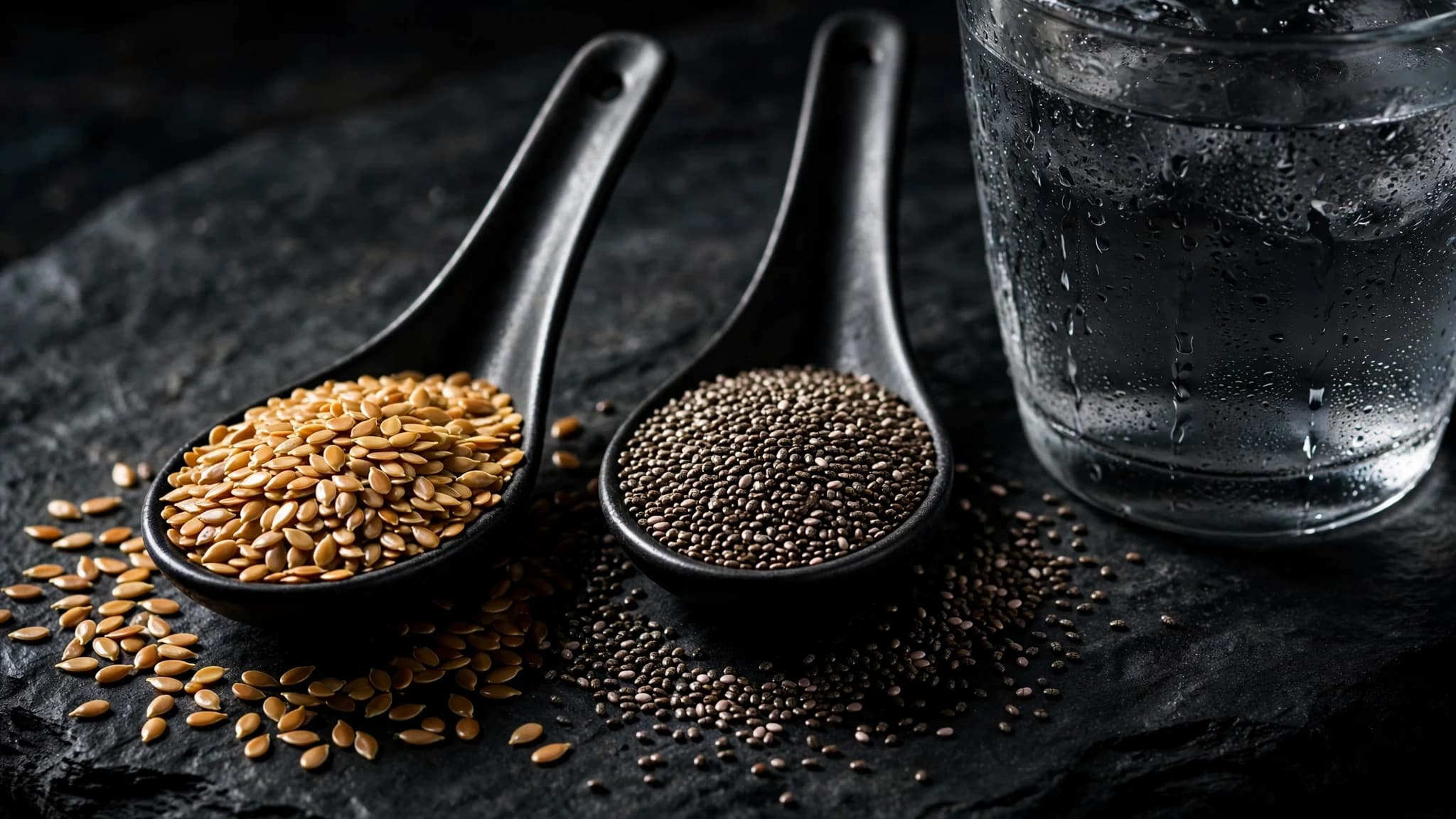
Why you need them, how they differ from each other, and why you shouldn’t eat them without water.

A simple rule for dividing them: above ground—we take them, below ground—we don’t. Except onions and garlic.