












Body & Wellbeing
Sleep on LCHF: falling asleep and depth
Why falling asleep changes, how late meals matter, and what to do if your sleep gets worse.

In-depth articles on low-carb nutrition, intermittent fasting, strength training, sleep, stress, and recovery. No two-week diets or promises for summer — only what you can follow for years. Every article is signed by its author and reviewed before publication.
44 articles · 5 categories
A maximum of 50–70 g of carbohydrates per day, fats making up 70–80% of the diet, and two or three meals without snacks within an 8–10-hour window. How it works and where to start.
10 articles · 3 categories
All food within an 8-10-hour window, a 14-16-hour overnight break. How to choose the window, why one meal a day is not the goal, and who must not fast.
10 articles · 3 categories
Nutrition, eating routine and movement as one system: without calorie counting, prohibitions or promised time frames.
16 articles · 4 categories
What is different about women’s bodies and how this changes eating, fasting windows, and training: the cycle, insulin and the thyroid, perimenopause, the pelvic floor, hair, stress, pregnancy — and when a doctor is needed.
10 articles · 3 categories
Movement is the third pillar of the method: why work out if food determines weight, three types of movement, where to start, how a program is selected, strength training without dumbbells, walking, and when you need a doctor.
12 articles · 3 categories
Five evidence-based supplements that work, everything that doesn't, electrolytes as the foundation of the first weeks, and four tests that replace half of the medicine cabinet.
12 articles · 3 categories
What happens to the gut on low-carb eating and fasting: normal symptoms of the first weeks, fiber without grains, heartburn and the gallbladder, the microbiome and intolerances, and when a doctor is needed.
12 articles · 3 categories
Three manageable things destroy joints: excess weight, inflammation from sugar, and lost muscle. How the method reduces the load on the knees, how to train with pain, and which supplements work.
12 articles · 3 categories
Two women of the same weight can differ by 16% in body fat. How to measure the truth instead of relying on scales, what muscles and visceral fat do, why weight stalls, and how the body resists weight loss.
12 articles · 3 categories
With the same calorie deficit, lack of sleep takes away 55% of fat loss. How sleep hormones, cortisol, and circadian rhythms affect weight, how to read resting heart rate, and which recovery tools work according to the data.
12 articles · 3 categories
Grip strength predicts longevity more accurately than blood pressure. Why women need strength training more, how muscle grows, the three conditions for progress, home and gym programs, protein and creatine, and what to expect week by week.
12 articles · 3 categories
45% of the day — habits without conscious decisions. How to build them through environment, substitution, and identity; why motivation runs out in the third week; what to do about lapses; and which rituals set apart those who succeed.
12 articles · 3 categories
Only 12% of adults are metabolically healthy, and weight has nothing to do with it. Waist, blood sugar, blood pressure, triglycerides, and HDL: what they mean, how to read them, and why the method changes them before the scales.
Why falling asleep changes, how late meals matter, and what to do if your sleep gets worse.
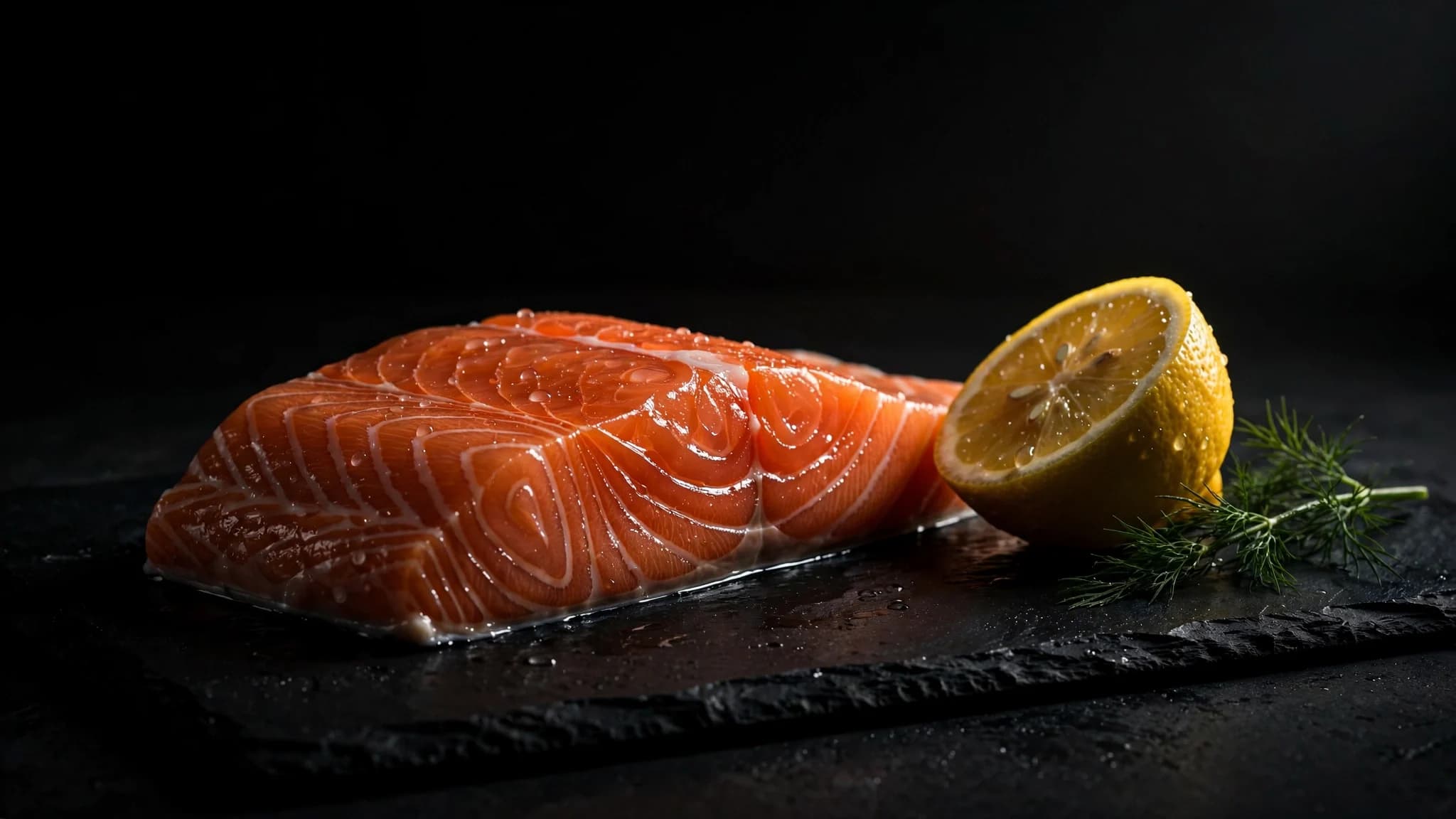
Several times a week: why you need it, which one to buy, what to replace it with from canned options, and what to do about the price.

Cravings decrease with protein, stable blood sugar and sleep — not willpower. Where to start checking.

The limit is 50–70 g per day: what fits into it, where hidden sugar lurks, and why you will only have to count for a short time.
Half a fruit a day: potassium, fats, and volume. How to choose a ripe one and what to do if you don't like the taste.
Twelve names for sugar in an ingredient list, the ingredient-order rule, and foods where you do not expect to find it.
A short selection worth keeping in the fridge at all times, and why each one is needed.
A ready-made list for the week, the order in which to go around the store, and where you can save without losing the essentials.
What we always take, what we limit, and what we do not take at all — as a list, with quantity guidelines.
Which fats form the basis of the diet, how many grams that is, and why you should not “top up” fat with spoonfuls of oil.
1.2-2 g per kilogram of body weight is pure protein per day, not the weight of meat on your plate. Let’s calculate it with an example.
Moderate low-carb eating and strict keto are different approaches. How do they differ, and why should they not be confused?