
Vegetables that grow above ground

The rule is simple: we take what grows above ground. Lettuce and greens, all cabbage, cucumbers, zucchini, broccoli, asparagus, spinach, bell peppers. Underground ones are out — potatoes, beets, carrots in large quantities, corn. The exception is onions and garlic.
Why is the division exactly like this?
Root vegetables are the plant’s pantry. It stores starch in them — that is, the same fast sugar, only not sweet in taste.
Above-ground vegetables are structured differently: mostly water and fiber. That’s why they fit within the 50-70 g carbohydrate limit practically without counting, while a potato side dish covers it entirely in a single serving.
The rule isn’t perfectly precise — it’s meant to save you from carrying a chart around. It works in the store.
What do we take and what don’t we take?
| We take | We don't take |
|---|---|
| Lettuce, arugula, spinach | Potato |
| White cabbage, cauliflower, Brussels sprouts | Sweet potato |
| Broccoli, kohlrabi | Beetroot |
| Cucumbers, squashes, zucchini | Carrots in large quantities |
| Asparagus, green beans | Corn |
| Bell pepper | Parsnip, turnip |
| Celery, fennel | Jerusalem artichoke |
| Tomatoes in moderation | Peas and Legumes |
Why do onions and garlic remain?
Because they are not eaten in large quantities, but a little at a time, and their contribution to daily carbohydrates is small.
They go into almost every dish, and removing them would mean making food bland for the sake of a few grams. Here, the method chooses practicality: a small amount of onion and garlic remains.
One separate caveat: this refers to seasoning, not a salad made from half a kilogram of onions.
What to do with tomatoes and pumpkin?
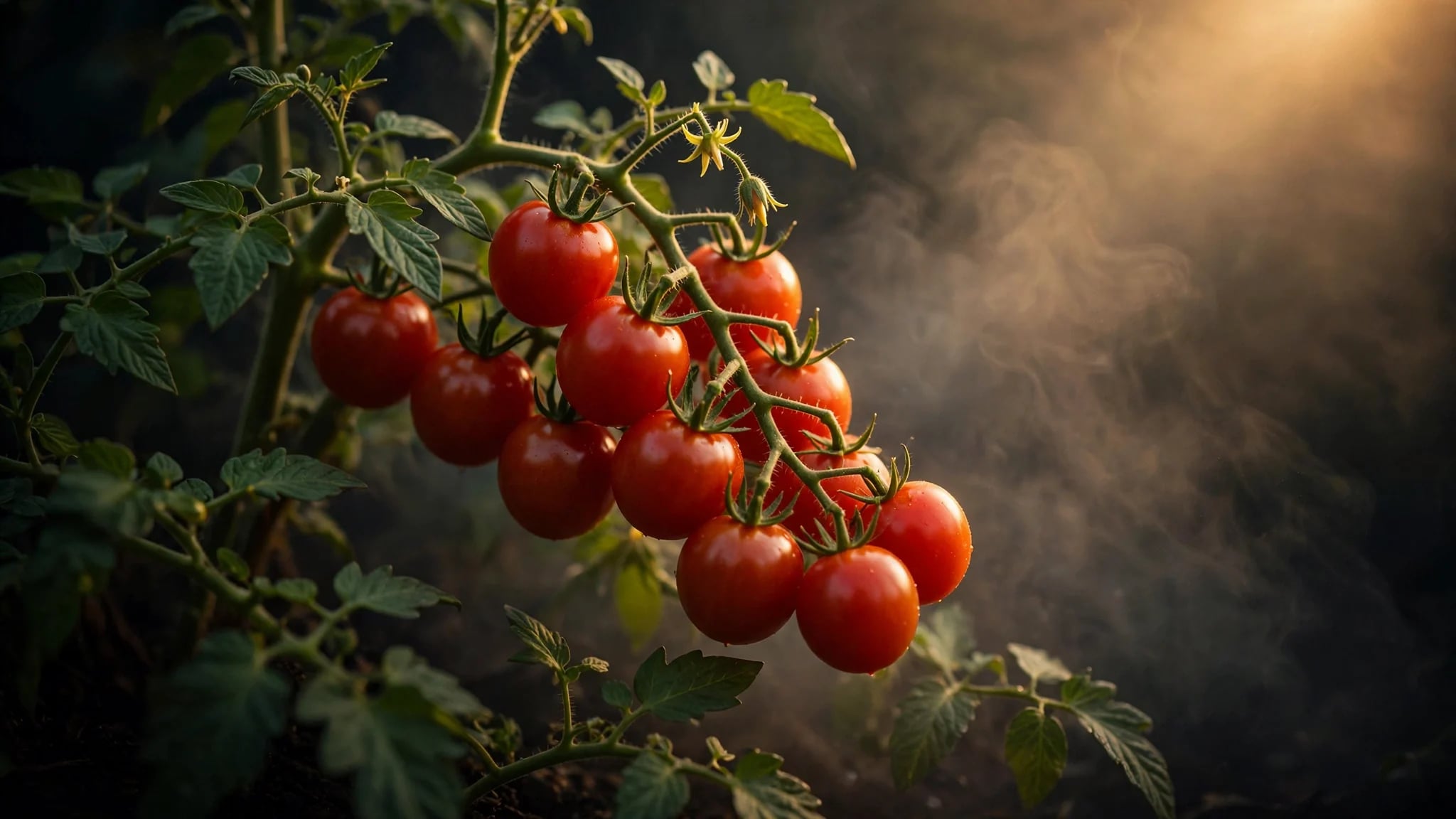
Tomatoes stay, but with the caveat “in reasonable amounts”: they contain noticeably more carbohydrates than cucumbers and cabbage, and half a kilo at one sitting already makes a noticeable dent in your allowance.
Pumpkin is a borderline case: it grows above ground, but in terms of sugar content it is closer to root vegetables. During the first month, it is easier to leave it out, and after that, assess it according to your own allowance.
This is also the limit of the rule “above ground.” When in doubt, rely on taste: the sweeter the vegetable, the more cautious you should be with the amount.
How many vegetables per day?
Up to 300 g of green salad and leafy greens. Other above-ground vegetables can be added freely within your daily carbohydrate allowance.
According to the plate rule, vegetables take up half: this is the amount that makes a meal feel like food rather than a piece of meat. Cutting back on vegetables for “even fewer carbohydrates” is a common and harmful mistake: along with them, you also cut back on fiber.
What do people most often get wrong?
- Cut out vegetables after grains and end up without fiber
- Consider carrots safe in any quantity
- Eat pumpkin like a regular above-ground vegetable
- Give up onions and garlic and end up with bland food
- Dress salad with ready-made dressing containing hidden sugar
When This Is Not Suitable
With inflammatory bowel disease and during flare-ups, large amounts of raw vegetables and cabbage are poorly tolerated — the amount and method of preparation should be discussed with a doctor.
When taking anticoagulants, it is best to keep the amount of leafy greens consistent and discuss it with a doctor: vitamin K affects how the medications work. With chronic kidney disease, the potassium content of leafy greens and vegetables may need to be restricted.
Raw or cooked?
Both — the total amount matters more.
Raw vegetables provide more volume for the same weight and are more filling, so salad should be the foundation. Cooked vegetables are easier to tolerate if your gut is sensitive, and in winter they’re simply more pleasant to eat.
The only thing to remember: when cooked, vegetables lose volume several times over. Half a kilo of fresh spinach turns into two spoonfuls, and “half a plate of vegetables” stops being achievable by eye.
What to do in winter?
Switch to cabbage. It is cheap, keeps for months, and works just as well as summer salad in terms of volume.
Add the vegetables that are available year-round: cucumbers, bell peppers, broccoli and frozen cauliflower, and green beans. Frozen vegetables are a full-fledged substitute for fresh ones here, not a compromise.
Fresh herbs are more expensive in winter, but you need smaller amounts: a bunch of parsley or dill can change the flavor of an entire dish.
Should vegetables count toward your carb allowance?
Formally yes, practically—almost not at all.
Above-ground vegetables provide a few grams of carbohydrates per serving, and eating only them makes it physically impossible to stay within 50-70 g: you simply can’t eat that much greens.
It makes sense to count three items that stand out: tomatoes, pumpkin, and carrots. Everything else can be eaten according to the plate rule, rather than a calculator.
What to Read Next
How the approach works as a whole — on the reference page low-carb nutrition: complete guide.
The rest of the section’s materials are collected here: food and shopping.
Related topic: Avocado every day: why and how much and How to read ingredients and find hidden sugar.
Reviewed by Anastasia Zhukova, Fitness Trainer • Author of a Nutrition and Training System • Creator of an AI Personal Support Platform
A human has reviewed this material against the method and real client practice.