

Body & Wellbeing
Five common mistakes that slow down results
Hidden sugar, spoonfuls of fat, too little protein, small portions, and waiting according to someone else’s timeline.

In-depth articles on low-carb nutrition, intermittent fasting, strength training, sleep, stress, and recovery. No two-week diets or promises for summer — only what you can follow for years. Every article is signed by its author and reviewed before publication.
Hidden sugar, spoonfuls of fat, too little protein, small portions, and waiting according to someone else’s timeline.
Why your weight may not budge even with an ideal diet, and what to do without changing your plate.
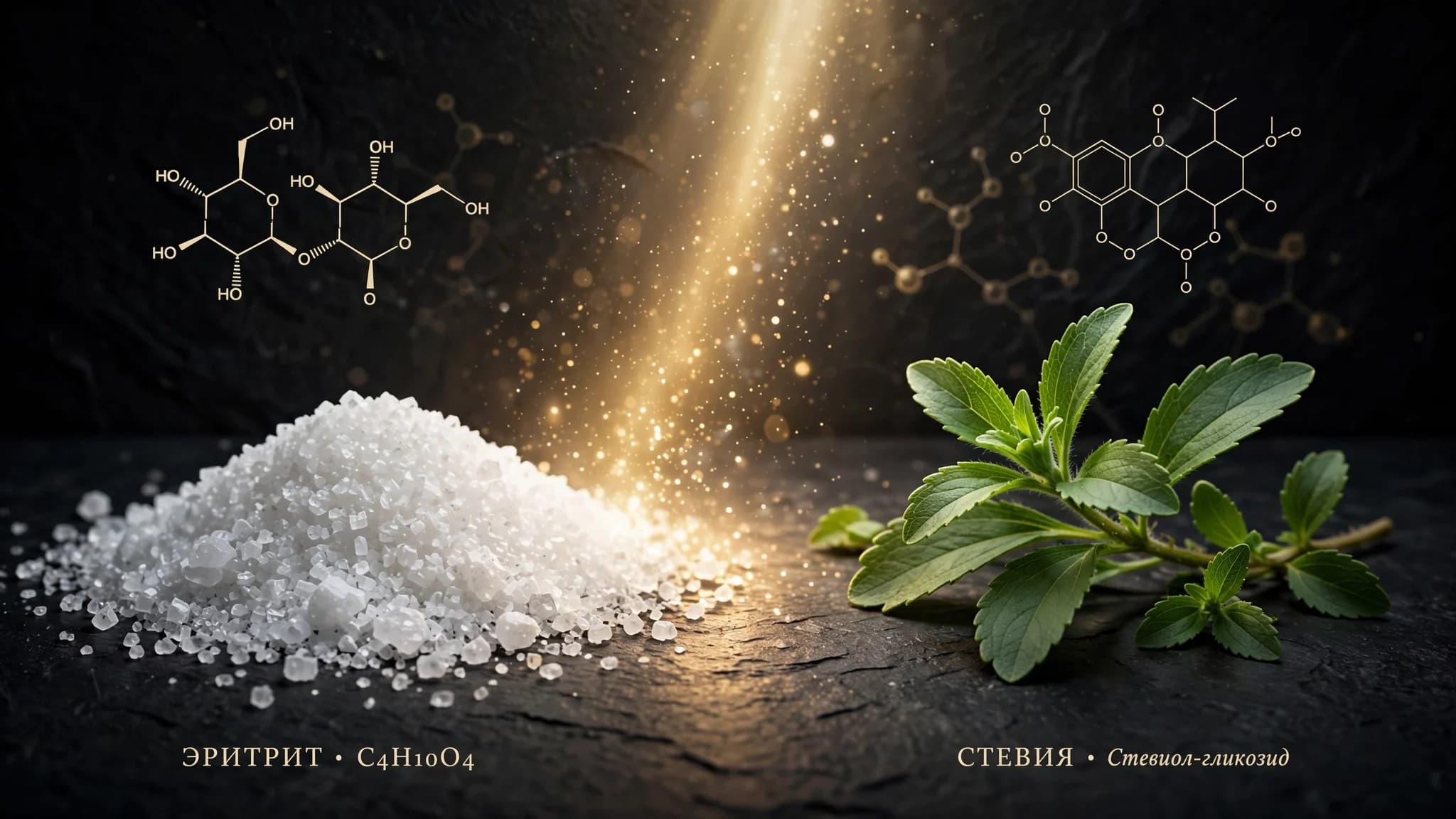
Allowed, but with a caveat: the sweet taste remains a habit, even when there is no sugar in it.

Six indicators that are more honest than a morning weigh-in, and how often to check them.
Waist, triglycerides, HDL, blood pressure, glucose. Three out of five — syndrome, and weight has nothing to do with it. How to check yourself, what each item means, and why after six months of the method they are usually zero.
Lunch — and an hour later you can't work. It's not that you "overate"; it's a roller coaster: blood sugar rises, insulin overshoots, and blood sugar drops below normal. Reactive hypoglycemia, the afternoon slump, and how to eat so you have energy after a meal.
A healthy body switches from carbohydrates to fat overnight. A body fueled by sugar six times a day has forgotten how: without food for three hours — shaking and brain fog. It’s not character, but a rusty switch, and it can be fixed in a month.
Total cholesterol is the last thing to look at. Order: triglycerides, HDL, ratio, LDL in context, ApoB when in doubt. Ranges, pitfalls, and what to bring to the doctor.
When fat burns quickly, the liver turns it into ketones — fuel for the brain. 0,5-3 mmol/L is normal without carbohydrates, not ketoacidosis. What they mean, how to measure them, and why strips aren't needed.
Insulin retains sodium and water — blood pressure rises. Insulin drops — water leaves, and blood pressure decreases by 5-15 over several weeks. What this means for people taking medication, and why salt is not the enemy.
A teaspoon of sugar in five liters of blood is normal. A bun adds three more, the pancreas removes them with a surplus, and two hours later comes hunger, brain fog, and cravings. What the swings look like and why they do not happen after an omelet.
Triglycerides down by a third, HDL up, blood pressure down — three heart markers moving in the right direction. And LDL, which rises in 20-30%. How to read this without panic or ignoring it.